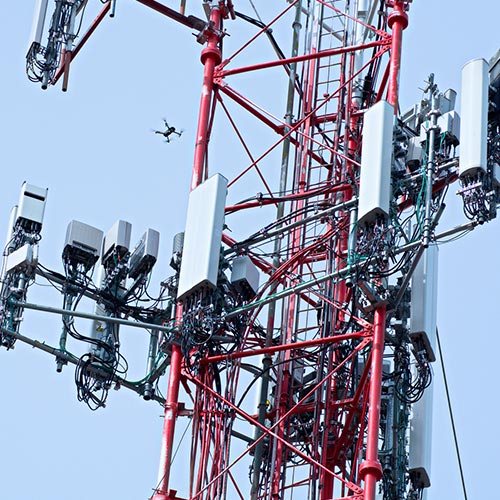
Telecom Tower Inspection in Nigeria Without the Climb
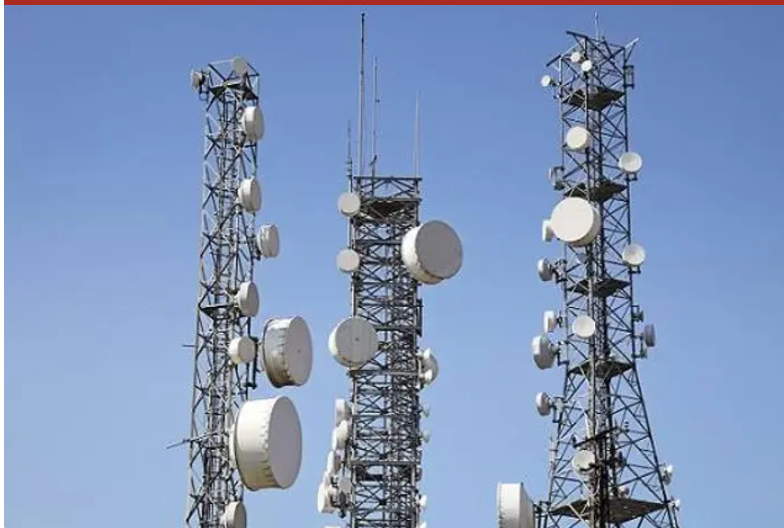
A rigger climbs 60 metres to check a corroded bolt. The climb takes an hour. The check takes four minutes.
Multiply that across thousands of sites, and the maths stops working. Telecom tower inspection built around climbing is slow, costly and dangerous. Nigeria’s network has simply grown past it.
The real cost of climbing
Every climb carries three costs, and only one of them appears on an invoice.
The first is time. Mobilising a crew, securing site access and completing the ascent consumes most of the working day. The second is money, because specialist riggers are scarce and expensive. The third is risk. Working at height remains one of the most hazardous jobs in the industry.
There is also a coverage problem. Because climbs are expensive, inspections happen rarely. Rare inspections mean defects grow quietly between visits, and small corrosion becomes structural failure.
How aerial telecom tower inspection works
An aerial inspection reverses the sequence. The crew arrives, flies a pre-planned orbit, and captures every face of the structure from multiple angles.
Nobody leaves the ground. The aircraft records antenna mounts, feeder routes, welds, bolts, earthing and mast verticality in one pass. Afterwards, engineers review that imagery at desk level and mark defects precisely.
The result is faster turnaround and better evidence. In addition, the same flight path can be repeated months later, so change is measurable rather than remembered.
Best-fit DJI platform: Matrice 4T
For routine telecom tower inspection, the strongest fit in the DJI Enterprise range is the Matrice 4T.
It carries a wide camera, a medium tele camera, a long-range tele camera and a thermal sensor in one compact airframe. That mix matters here. The tele cameras capture bolt-level detail from a safe standoff distance, while the thermal sensor spots overheating connections and failing power components.
The aircraft is light, quick to deploy and easy to move between sites. Consequently, a single crew can cover several towers in one day rather than one.
For large portfolios and complex structures
Bigger jobs need a bigger platform. The Matrice 350 RTK with the Zenmuse H30T delivers extended flight time, stronger zoom and laser rangefinding for tall or heavily loaded masts.
For remote high-value sites, DJI Dock 3 with the Matrice 4TD adds automated repeat inspection. The dock sits on site and flies the same route on schedule, so no crew travels at all.
What MNOs and TowerCos receive
Under our Drone as a Service model, ARCO Worldwide delivers a complete inspection package:
- High-resolution imagery of every tower face and mount
- Thermal analysis of connections, cabinets and power assets
- Structural condition reports with prioritised defect lists
- Digital Twin and 3D models for asset records
- Antenna alignment and azimuth verification
- Maintenance recommendations tied to each finding
You get the report. We handle the flying, the approvals and the data processing.
Operations built to the required standard
ARCO Worldwide is authorised by the NCAA for commercial aerial operations nationwide. Our inspection reporting runs under ISO 9001:2015 certified processes, and our crews train through ARCO Aviation Academy.
We are also Nigeria’s only DJI Enterprise Authorized Reseller and Solutions Partner. Therefore we deploy the right platform for each structure instead of adapting whatever is available.
With teams in Lagos, Abuja and Port Harcourt, we mobilise quickly for nationwide inspection campaigns.
Inspect more sites, risk fewer people
Networks keep expanding, and inspection budgets rarely expand with them. Aerial telecom tower inspection closes that gap. It covers more sites, produces better data, and keeps people off the steel.
Ready to plan your next inspection campaign? Talk to ARCO Worldwide today.